
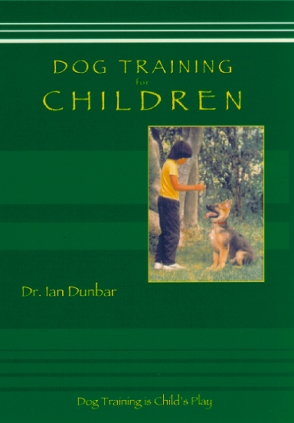
Children have natural advantages as trainers. Dogs like being with them, because they are playful and fun. All they have to do is learn a few simple training techniques and they’ll soon put grown ups in the shade.
Good Behavior is Free, Yet Hugely Unappreciated
Dr. Ian Dunbar | Tue, 01/27/2009 - 07:25
Perhaps our biggest human foible is that we take the good for granted and moan and groan at the bad. This is most certainly true in dog training. We ignore dogs when they are quiet, only to shout back whenever they bark. We ignore friendly, or non-eventful, greetings, only to reprimand our dogs for growling. We customarily ignore dogs when they walk calmly on leash, only to become frustrated when they pull.
However, when we representatively time-sample behavior, we find that most dogs behave wonderfully most of the time and only very infrequently behave inappropriately or unacceptably. We let the good go by and instead, focus on, and highlight, the bad.
One of the easiest ways to change a dog’s personality (and hence behavior) is to reward the dog for good behavior on a regular basis – to make a point of catching the dog in the act of doing something right, and conveying our heartfelt approval.
Make a point of saying an appreciative word whenever you notice your dog is busying herself with her Kong, or sleeping quietly in her bed. Praise your dog when he walks nicely on leash and whenever he sits to say hello. And most important, never let a friendly greeting go unnoticed. Praise your puppy/dog whenever he greets another without incident and especially when he happily interacts with people – especially children, men and strangers. Never take friendly greetings for granted otherwise, they will decrease in frequency as your puppy reaches adolescence and becomes more wary of unfamiliar dogs and people. Praise your dog. Always say, “Thank You!”
Products from Dr. Ian Dunbar
Day 2: Behavior Counseling
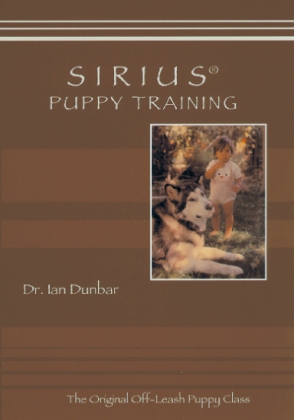
The original puppy training video and still…"the leader of the pack." Voted BEST VIDEO (every year) by the Association of Pet Dog Trainers.
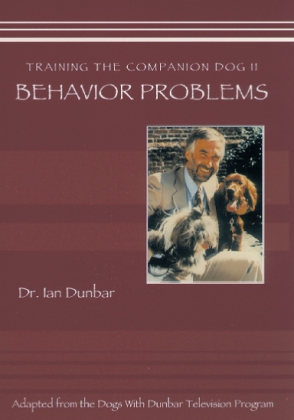
Topics include: Settle Down. Crate Training. Housetraining. Chewing. Digging. Barking. Biting.

Learn effective and enjoyable dog training methods that are science-based and ready for real-world dog training.
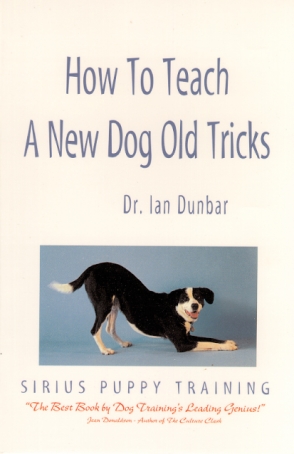
Voted the #1 BEST BOOK by the Association of Pet Dog Trainers. Easy, fun-loving, dog-friendly methods for teaching a new puppy old tricks (such as basic manners), or for teaching an older dog (or older owner) who is new to training.